

Can dogs eat chickpeas? Yes — dogs can eat chickpeas in moderation when they are cooked, plain, and unseasoned. Chickpeas — also known as garbanzo beans — are a common ingredient in many human diets and provide protein, fiber, and important minerals, but feeding them incorrectly can cause digestive problems for dogs.
Many pet owners wonder whether chickpeas are a healthy snack or a risky food for dogs. While chickpeas are not toxic, they must be prepared properly and served in small portions.
In this vet-reviewed guide, you'll learn the health benefits of chickpeas for dogs, the key risks to watch out for, safe serving sizes by weight, and which chickpea foods — like hummus or canned varieties — should always be avoided.
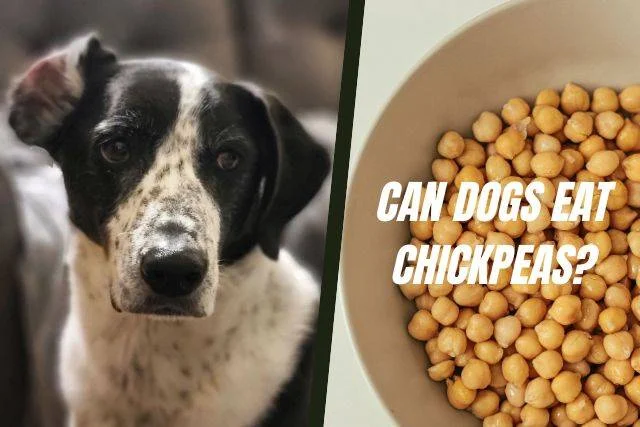
Quick Answer: Are Chickpeas Safe for Dogs?
Yes, dogs can eat chickpeas safely in moderation. Chickpeas must be cooked, plain, and unseasoned. They provide protein and fiber but should only be an occasional treat, not a daily food. Avoid canned chickpeas (high sodium) and never feed hummus (contains toxic ingredients for dogs).
| Safe for Dogs? | ✅ Yes, in moderation when cooked plain |
|---|---|
| Main Benefits | Protein, fiber, minerals, digestion support |
| Main Risks | Gas, digestive upset if overfed, bloating |
| How to Serve | Cooked, plain, room temperature, small amounts |
| What to Avoid | Canned chickpeas, hummus, seasoned varieties, raw chickpeas |
Are Chickpeas Healthy for Dogs?
Chickpeas are a nutrient-dense legume that can offer genuine health benefits for dogs when prepared correctly. They are a good source of plant-based protein, dietary fiber, and key minerals including iron, potassium, folate, and magnesium — all of which support a dog's overall wellbeing.
Health Benefits of Chickpeas for Dogs
When fed properly, chickpeas can offer several nutritional advantages for your dog:
- High in Protein: Chickpeas contain plant-based protein that supports muscle development and overall health in dogs.
- Rich in Fiber: Dietary fiber helps regulate digestion and supports healthy bowel movements. If your dog experiences digestive issues, see our guide on what to do if your dog has diarrhea.
- Supports Weight Control: The fiber content helps dogs feel full faster, which can aid in weight management.
- Blood Sugar Regulation: Chickpeas have a low glycemic index and may help reduce diabetes risk in dogs.
- Micronutrient Boost: Provides essential minerals including iron, folate, potassium, and magnesium.
- Digestive Health: The fiber in chickpeas supports healthy gut bacteria and regular bowel movements.
Can Dogs Eat Raw Chickpeas?
No, dogs should never eat raw chickpeas. Raw chickpeas are extremely hard and very difficult for dogs to digest. They also contain natural compounds that can irritate a dog's digestive system, and their firm texture presents a real choking hazard, especially for smaller breeds.
Raw chickpeas can cause:
- Digestive upset and stomach pain
- Choking or obstruction risk
- Poor nutrient absorption
- Nausea or vomiting
Always cook chickpeas thoroughly until soft before giving them to your dog. Cooking makes them far easier to digest and removes potentially irritating compounds.
Can Dogs Eat Roasted Chickpeas?
Plain roasted chickpeas can be safe for dogs in very small amounts, but they are not the best option. Roasted chickpeas are harder and drier than boiled chickpeas, which can make them more difficult for dogs to chew and digest.
Many roasted chickpeas sold as snacks also contain added salt, oils, or spices that are unsafe for dogs.
If you want to give chickpeas to your dog, boiled or steamed chickpeas are always the safest choice.
Risks of Feeding Chickpeas to Dogs
Despite the nutritional benefits, there are important risks to consider before feeding chickpeas to your dog:
- ⚠️ Gas and Bloating: Too many chickpeas can cause excessive gas, bloating, and digestive discomfort in dogs.
- ⚠️ Canned Chickpeas: Most canned varieties contain high sodium and preservatives that are harmful to dogs.
- ⚠️ Hummus is Toxic: Hummus contains garlic, onion, lemon juice, and spices that are dangerous for dogs.
- ⚠️ Raw Chickpeas: Always cook chickpeas first — raw chickpeas are hard to digest and a choking risk.
- ⚠️ Not for All Dogs: Some dogs may have digestive sensitivities or legume allergies.
- ⚠️ Choking Hazard: Whole chickpeas can be a choking risk for small dogs if not mashed or cut.
How to Safely Feed Chickpeas to Your Dog
Follow these guidelines to safely introduce chickpeas to your dog's diet:
- Cook Thoroughly: Always cook chickpeas completely until soft. Never feed raw or undercooked chickpeas.
- Serve Plain: No salt, spices, garlic, onion, or any seasonings. Serve at room temperature.
- Small Portions Only: Start with just a few chickpeas and gradually increase if your dog tolerates them well.
- Occasional Treat: Chickpeas should only be given occasionally, not as a daily food or meal replacement.
- Mix with Safe Foods: Combine chickpeas with lean meat and dog-safe vegetables like carrots or zucchini.
- Mash for Small Dogs: Mash or finely chop chickpeas for smaller breeds to prevent choking.
- Monitor Your Dog: Watch for signs of digestive upset, gas, or allergic reactions after feeding.
How Many Chickpeas Can Dogs Eat?
The safe portion depends on your dog's size and digestive tolerance. Chickpeas should always be an occasional treat and not a daily food.
| Dog Size | Safe Chickpea Portion |
|---|---|
| Small dogs (under 20 lbs) | 1–3 chickpeas occasionally |
| Medium dogs (20–50 lbs) | 3–6 chickpeas occasionally |
| Large dogs (over 50 lbs) | 6–10 chickpeas occasionally |
Chickpeas should make up no more than 10% of your dog's daily calories. Too many legumes can cause gas, bloating, or digestive upset.
Can Dogs Eat Canned Chickpeas?
No, dogs should not eat canned chickpeas. While convenient for humans, canned chickpeas pose several risks for dogs:
- High sodium content that can lead to dehydration and salt toxicity
- Added preservatives and additives that may be harmful
- Potential contamination with garlic or onion powder (common in some brands)
- BPA exposure from some can linings
Always use dried chickpeas that you cook yourself, rinsing them thoroughly before serving to your dog.
Can Dogs Eat Hummus?
Absolutely not. Dogs should never eat hummus. While chickpeas themselves are safe, hummus contains multiple ingredients that are toxic to dogs:
- Garlic: Highly toxic to dogs — damages red blood cells and can cause anaemia
- Onion: Also toxic, causes similar blood cell damage
- Lemon Juice: Too acidic for dogs' digestive systems
- Salt: Excessive sodium is dangerous for dogs
- Tahini: High in fat, can trigger pancreatitis
- Spices: Many common spices in hummus irritate dogs' stomachs
When to Avoid Feeding Chickpeas to Your Dog
Skip chickpeas entirely if your dog has any of these conditions:
- Sensitive Stomach: Dogs prone to digestive upset, gas, or bloating should avoid chickpeas.
- Kidney Problems: Legumes may strain kidneys in dogs with pre-existing kidney disease.
- Pancreatitis History: Dogs with a history of pancreatitis should avoid chickpeas due to their fat content.
- Food Allergies: Some dogs may be allergic to legumes. Introduce cautiously and monitor closely.
- No Interest: If your dog dislikes chickpeas, don't force them — they're entirely non-essential.
Frequently Asked Questions About Dogs and Chickpeas
Are chickpeas good for dogs every day?
No. Chickpeas should only be given occasionally as a treat, not as a daily food. Daily consumption can lead to digestive problems, gas, and nutritional imbalances.
Can dogs eat canned chickpeas?
No. Canned chickpeas often contain high levels of salt and preservatives that are unsafe for dogs. Always use dried chickpeas that you cook yourself.
Can dogs eat hummus?
Absolutely not. Hummus contains garlic, onion, lemon juice, and spices that are toxic to dogs and can cause serious health problems. If you suspect your dog has eaten toxic foods, see our guide on what dogs should never Eat.
Do chickpeas cause gas in dogs?
Yes, overfeeding chickpeas can lead to bloating, excessive flatulence, and digestive discomfort in dogs. Start with small amounts to test your dog's tolerance.
Can puppies eat chickpeas?
While chickpeas aren't toxic to puppies, it's best to wait until they're at least 6 months old and have a fully developed digestive system before introducing them.
Are garbanzo beans the same as chickpeas for dogs?
Yes, garbanzo beans and chickpeas are the same legume. The same safety guidelines apply: cooked, plain, and in moderation.
Can dogs with kidney disease eat chickpeas?
No. Dogs with kidney problems should avoid chickpeas and other legumes as they may put additional strain on the kidneys. Consult your veterinarian before making any dietary changes.
Conclusion: Can Dogs Eat Chickpeas Safely?
So, can dogs eat chickpeas? Yes — dogs can safely eat chickpeas when they are cooked, plain, and served in small amounts. Chickpeas provide fiber, protein, and minerals, but they should only be an occasional treat rather than a regular part of your dog's diet.
Always avoid canned chickpeas (too much sodium), hummus (contains toxic ingredients), raw chickpeas (choking risk and hard to digest), and any seasoned varieties. Start with small amounts to ensure your dog tolerates them well, and watch for signs of digestive upset.
When in doubt, consult your veterinarian before adding any new foods to your dog's diet, especially if your dog has pre-existing health conditions.
Related Articles:
Can Dogs Eat Carrots? |
Can Dogs Eat Zucchini? |
What to Do if My Dog Has Diarrhea |
Can Cataracts in Dogs Be Cured?