

Can Dogs Safely Eat Sausages? What Every Owner Should Know
Dogs can technically eat sausages, but they shouldn't. While a tiny piece won't typically cause immediate harm, sausages contain dangerous levels of sodium, fat, and seasonings that aren't safe for regular canine consumption. Most commercial sausages include ingredients like garlic and onions that are toxic to dogs, along with preservatives that can trigger digestive upset. If you want to share meat with your dog, lean cooked chicken or turkey without seasoning is always the safer choice.
You're cooking breakfast, and your dog gives you that irresistible stare as the smell of sizzling sausages fills the kitchen. The question crosses your mind: would one little piece really hurt? This scenario plays out in homes everywhere, and the answer matters more than most people realize. Understanding what's actually inside sausages—and how a dog's body processes them—can prevent serious health complications down the road.
Why Are Sausages Problematic for Dogs?
The issue isn't that sausages contain meat. Dogs are natural meat-eaters, after all. The problem lies in everything else manufacturers add during processing. A single sausage link can contain more sodium than a dog should consume in an entire day, which puts immediate stress on their kidneys and cardiovascular system. Beyond salt, most sausages are seasoned with ingredients that range from mildly irritating to genuinely dangerous for canine biology.
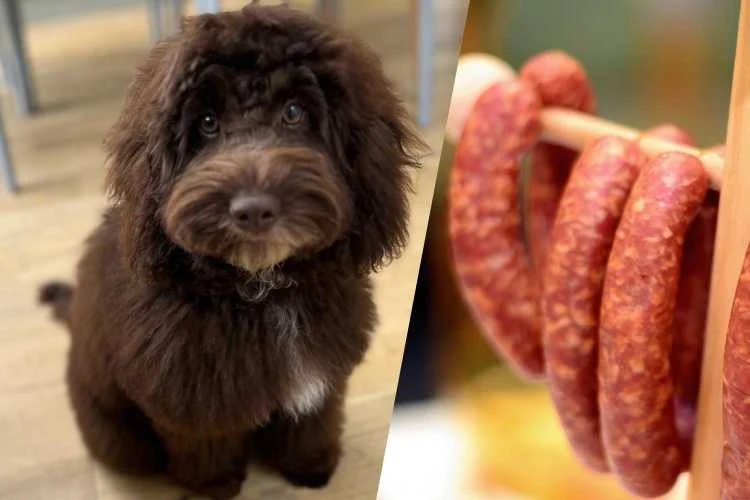
Commercial sausage production prioritizes human taste preferences, not animal safety. Garlic powder and onion powder appear in countless varieties, and both compounds damage dog red blood cells over time, potentially leading to anemia. Even "plain" sausages often contain chemical preservatives like nitrates and nitrites that dogs metabolize differently than humans. The high fat content creates another layer of risk—pancreatitis develops when a dog's pancreas becomes inflamed from processing too much dietary fat, and it's both painful and potentially life-threatening. Learn more about toxic foods for dogs.
What Happens If My Dog Eats a Sausage?
If your dog grabs a fallen sausage piece, don't panic immediately. A single small exposure rarely causes emergency-level problems in healthy adult dogs. Watch for symptoms over the next 24 hours: excessive thirst, vomiting, diarrhea, lethargy, or loss of appetite. These signs indicate the sodium and fat are overwhelming their system. Contact your veterinarian if symptoms appear or worsen, especially in small breeds, puppies, or dogs with pre-existing health conditions.
Repeated exposure creates cumulative problems. Dogs who regularly receive sausage scraps may develop chronic issues that emerge slowly—kidney disease, high blood pressure, or obesity that owners don't connect to those "harmless" breakfast treats. The toxic effects of garlic and onions build up over time rather than causing instant reactions, which makes them particularly insidious. Your dog might seem fine after eating sausages for months, then suddenly show symptoms of anemia that require medical intervention.
Are Any Types of Sausages Safer Than Others?
Some sausage varieties pose less risk than others, though none should become dietary staples. Plain chicken or turkey sausages without added seasonings contain less fat than pork or beef versions. Check ingredient labels carefully—you're looking for products with minimal sodium, no garlic or onion in any form, and no artificial preservatives. That said, even the "healthiest" human sausage still contains more salt and fat than dogs need.
Pet stores now sell sausages specifically formulated for dogs, which removes the guesswork entirely. These products use dog-safe ingredients and appropriate nutritional ratios. If you want to offer your dog something with that sausage appeal, these specialized treats deliver the experience without the health risks. Think of them the same way you'd approach dog birthday cakes versus human desserts—similar concepts, but one is designed for canine biology. For more safe alternatives, check out whether dogs can eat salami.
When Should Dogs Never Eat Sausages?
Certain dogs should avoid sausages completely, even as rare treats:
- Dogs with diagnosed heart conditions or high blood pressure
- Any dog with kidney disease or reduced kidney function
- Overweight or obese dogs on calorie-restricted diets
- Dogs recovering from pancreatitis or on low-fat diets
- Breeds prone to digestive sensitivity
- Senior dogs with compromised organ function
- Puppies whose systems are still developing
These conditions amplify the risks that sausages already carry. A dog with kidney disease can't efficiently process excess sodium, which accelerates organ damage. Dogs recovering from pancreatitis may relapse from even a small amount of dietary fat. When your veterinarian recommends dietary restrictions, they're not being overly cautious—they're preventing complications that could require hospitalization or shorten your dog's lifespan.
What About the Danger of Poisoned Sausages?
Beyond nutritional concerns, sausages left in public spaces pose a genuine safety threat. Some individuals deliberately place poisoned or tampered meat in parks and walking areas to harm animals. These criminal acts have injured and killed dogs across many communities. Poisoned sausages may contain rat poison, antifreeze, or sharp objects wrapped inside the meat.
Train your dog to refuse food from the ground using the "leave it" command. This skill becomes crucial in protecting them from both accidental hazards and intentional threats. Never allow your dog to eat anything they find during walks, regardless of how appealing it looks. If you notice suspicious meat or multiple sausages scattered in an area, report it immediately to local animal control and warn other dog owners in your community. This vigilance has prevented countless tragedies.
Smart Alternatives When You Want to Share Food
The impulse to share your meal with your dog comes from a good place—you want them to feel included and enjoy special treats. Channel that generosity toward options that satisfy them without creating health problems. Plain cooked chicken breast, cut into small pieces, delivers protein without dangerous additives. Carrots and green beans work as crunchy low-calorie snacks that many dogs love. If you're cooking meat specifically for your dog, skip all seasonings, including salt and pepper. Learn how to properly prepare chicken liver for dogs.
Consider the 90/10 rule that veterinary nutritionists recommend: 90% of your dog's calories should come from balanced dog food, with treats comprising no more than 10% of daily intake. This framework ensures their nutritional needs stay met while still allowing occasional special foods. When you do offer human food, make it part of their daily treat allowance rather than an addition on top of regular meals. Your dog doesn't understand the difference between a small treat and a large one—they're equally thrilled by both, so there's no need to overshare. For a complete guide on nutrition, read about homemade dog food.
A Practical Example
Let's say you're having a family barbecue. Your 40-pound dog watches hopefully as everyone eats hot dogs and sausages. Instead of tossing them scraps, you've prepared ahead by grilling a plain chicken breast without seasoning. You cut it into thumbnail-sized pieces and offer one or two throughout the afternoon. Your dog feels included in the celebration, gets to enjoy the grilling experience, and faces zero health risks. The next morning, they wake up feeling normal instead of dealing with an upset stomach or worse complications. That's the power of planning ahead.
The Bottom Line: Sausages weren't designed with canine health in mind, and feeding them to dogs creates risks that far outweigh any momentary enjoyment. Between excessive sodium, dangerous seasonings, high fat content, and potential toxins, these processed meats simply don't belong in a dog's diet. Show your love through dog-safe treats, regular exercise, and quality time together—not through sharing foods that could harm them. Your dog's long-term health depends on the choices you make at every meal, and choosing to skip the sausage is one of the easiest ways to protect them.